- This BESS project will have 76 MW of generation capacity and 27 MW of awarded capacity, as well as a generation surplus of 42.6 GWh per year, which is expected to generate $70 million over the project’s lifetime
- The contract will have a term of 15 years
-
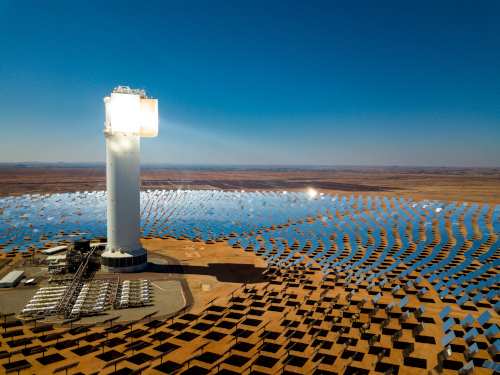
This award adds to the two 130 MWp solar plants that Cox is already developing in Guatemala, with financing secured through CIFI
Madrid, August 10, 2026. Cox, a water and energy utility, has been awarded a new battery energy storage system (BESS) project in Guatemala, further strengthening its presence in one of the Central American markets with the greatest potential for the development of sustainable energy infrastructure.
The project will have 76 MW of generation capacity and 27 MW of awarded capacity, secured through a long-term public tender for electricity supply in Guatemala. The contract will have a 15-year term and an awarded monomic price of $88.66 per MW.
The award represents approximately $126.5 million in contracted revenues during the first 15 years of operation. In addition, the project has the potential to market surplus energy in the wholesale market, estimated at 42.6 GWh per year, which could generate approximately $70 million in additional revenues over the project’s lifetime.
The facility will generate approximately 113.3 GWh of electricity per year and, once the contractual period has ended, is expected to have a further useful life of 15 years, extending its long-term value creation potential.
A strategic project for Guatemala’s electricity system
The project will help strengthen the flexibility and reliability of Guatemala’s electricity system by storing energy for delivery during periods of peak demand. This capacity will help optimize the integration of renewable generation, improve grid stability and promote more efficient use of the country’s electricity infrastructure.
The award is part of the long-term procurement processes launched by Guatemalan distribution companies to ensure electricity supply for millions of users over the coming years. These processes seek to incorporate new generation and energy storage capacity to help diversify the energy mix, strengthen security of supply and offer competitive prices to consumers.
Martín Sucre, Regional Manager – Central Arc —Central America, the Caribbean, Colombia and Ecuador— at Cox, explains: “The award of this project reinforces our growth strategy in Latin America, a key region for Cox. Energy storage plays a fundamental role in ensuring the stability and flexibility of electricity systems, and we will continue to promote projects that contribute to a secure, efficient and sustainable energy transition.”
Two solar plants under construction strengthen Cox’s presence in Guatemala
This new award adds to the project previously secured by Cox in the PEG4 tender, comprising two solar plants that Cox is currently developing in the Zacapa and Chiquimulilla regions. Construction has already begun, and the company has secured financing for the projects through CIFI, a leading investment platform for sustainable and high-impact infrastructure projects in Latin America and the Caribbean.
The project has a total installed capacity of 130 MW, with commercial operation expected in the first quarter of 2027, further consolidating the company’s portfolio of energy assets in Guatemala.
Latin America, a core region for Cox
Latin America is one of Cox’s strategic regions and one of the company’s main growth drivers. In the region, the company operates an integrated model combining water and energy infrastructure to address some of the key challenges associated with the energy transition, water security and sustainable development. Through this approach, Cox develops renewable generation, energy storage, electricity transmission, desalination, water reuse and water treatment projects, helping to increase the resilience of critical infrastructure and accelerate the decarbonization of the economies in which it operates.
The award of this new project in Guatemala reinforces the company’s strategy of investing in long-term assets that provide stability to the electricity system, support greater penetration of renewable energy and generate sustainable value for the communities and territories where it operates.