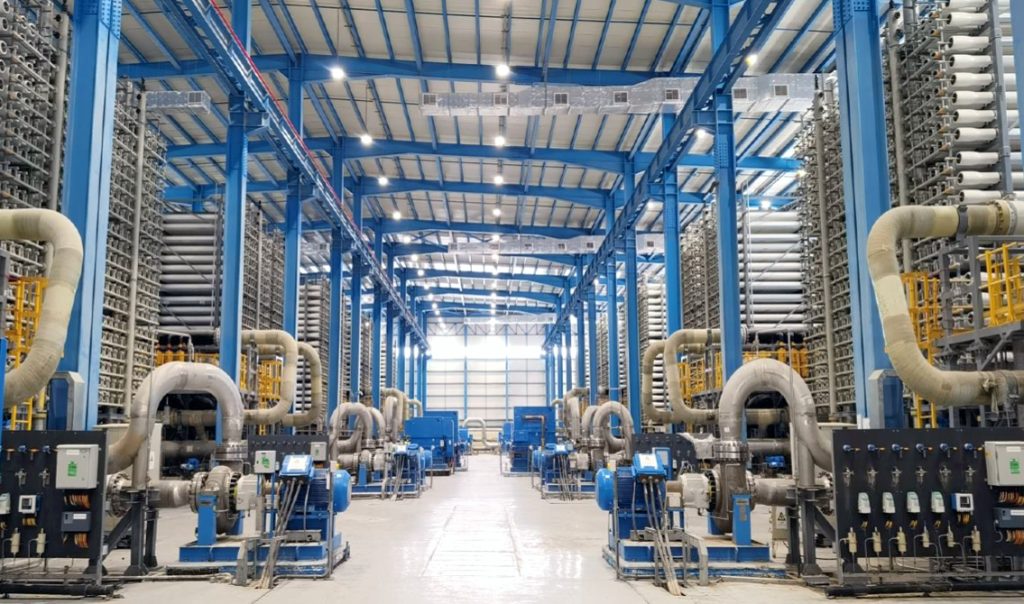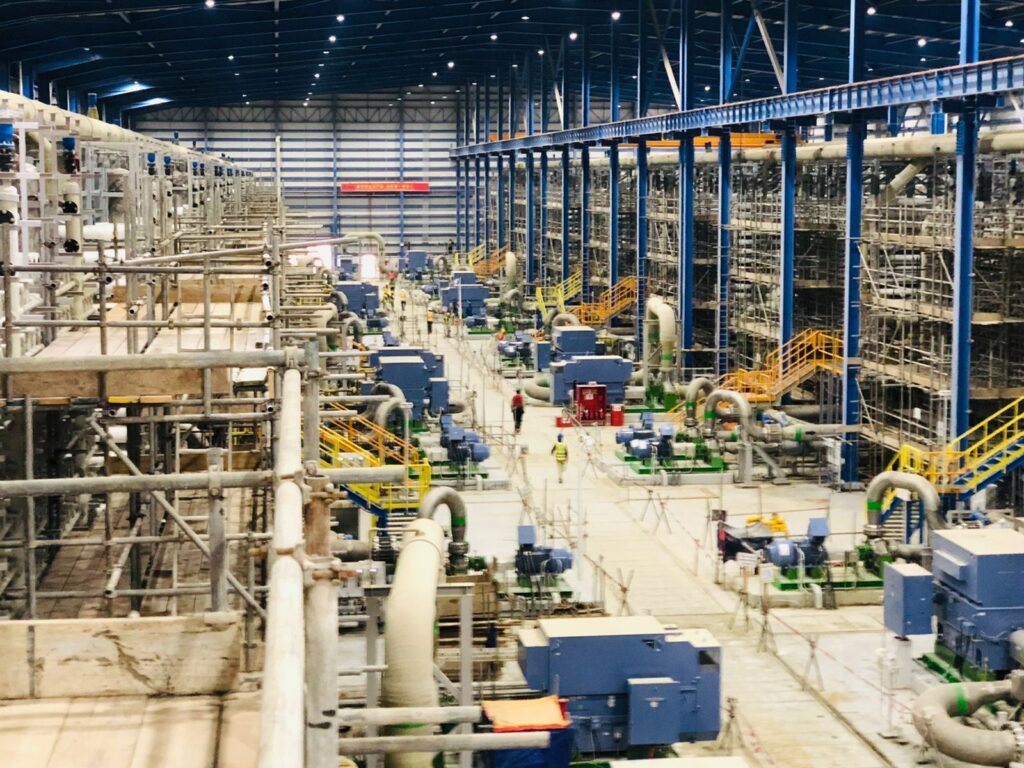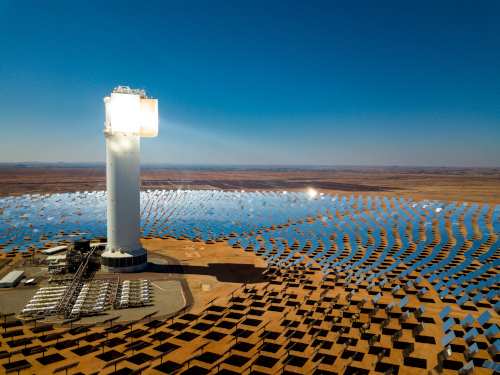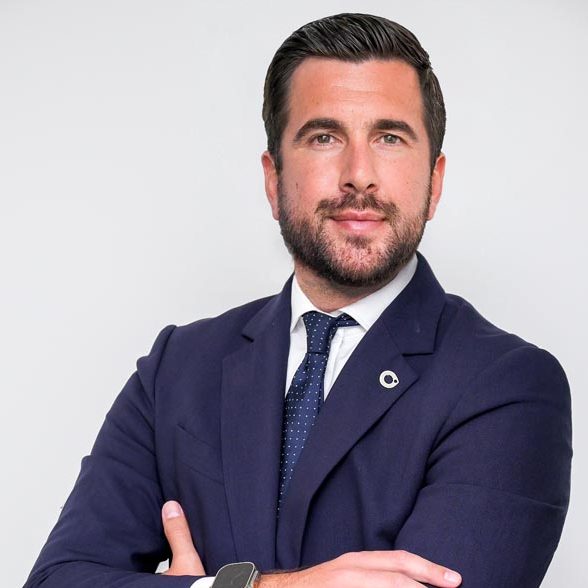
- During his speech at the International Economic Forum Latin America and the Caribbean 2026, Enrique Riquelme, Executive Chairman of Cox, urged governments to shield water and energy as state policies.
- The company, after announcing the acquisition of Iberdrola Mexico for 4,200 million dollars, reaffirms its commitment to invest an additional 6,000 million between 2025 and 2030 to promote new energy and water infrastructures in the country.
- Likewise, Ecuador has become a strategic axis for the company, with the commitment to invest more than 700 million dollars in comprehensive water and energy solutions that strengthen the country’s climate resilience.
- In Chile, Cox announces an investment of more than 650 million dollars over the next three years, which will consolidate more than 4,000 direct and indirect jobs.
Madrid, 29 January 2026. Within the framework of the International Economic Forum of Latin America and the Caribbean 2026, organized by the Development Bank of Latin America – CAF, Enrique Riquelme, Executive President of Cox, called on governments, companies and multilateral organizations to promote State policies that guarantee sustainable access to water and energy, pillars that, he stressed, are essential for economic growth, democratic stability and regional integration.
During his speech at the Plenary Session of the Forum, held in Panama City, Riquelme stressed that Latin America is going through one of the most decisive moments in its recent history, in a global context marked by geoeconomic tensions, trade fragmentation, armed conflicts and a profound reconfiguration of supply chains.
Cox’s participation in this forum also comes at a time of consolidation of its presence in Latin America. In recent years, the company has strengthened its strategic positioning in the region and this week secured bank financing for the acquisition of Iberdrola Mexico, a transformational operation for Cox. In fact, after announcing the acquisition of Iberdrola Mexico for 4,200 million dollars, it reaffirms its commitment to invest an additional 6,000 million between 2025 and 2030 to promote new energy and water infrastructures in the country.
During his speech, Riquelme highlighted this commitment to Mexico, highlighting the vision of the government of President Claudia Sheinbaum, whose focus on strategic infrastructure, energy transition and strengthening access to water generates certainty for long-term investments. Riquelme stressed that when the State promotes clear and sustainable public policies in key sectors, the conditions are created to attract productive capital, generate employment and raise social welfare.
Meanwhile, for Ecuador, the President of Cox recalled that the company maintains the commitment to invest more than 700 million dollars in comprehensive water and energy solutions in the country. He also recognized President Daniel Noboa’s push for universal access to affordable water and energy services, a strategy that, he said, contributes to strengthening the country’s climate resilience and making it a regional benchmark in terms of sustainable infrastructure.
Riquelme also announced an investment of more than 650 million dollars in new investments in Chile over the next three years, following the improvement in the regulatory climate and confidence generated by the arrival of President-elect José Antonio Kast. He assured that the existence of predictable regulatory frameworks and a clear State policy on water and energy is essential to attract capital, boost employment and consolidate sustainable prosperity.
The challenges facing Latin America
The president of Cox recalled that the company was born in Panama almost two decades ago and today operates in more than 30 countries on four continents, with the support of more than 10,000 professionals dedicated to protecting critical infrastructures. “Our growth has been possible because we believe in the countries where we invest and their local talent,” he added.
Riquelme warned that Latin America continues to face structural challenges such as low economic growth, high labor informality or persistent poverty levels, but defended that the region can play a key role in the new global order if it acts in a coordinated manner.
“The division weakens us. Regional integration strengthens us. Blocking strategic infrastructures or fragmenting markets between sister countries does not strengthen our sovereignty: it makes us more vulnerable,” he stressed.
In this regard, he highlighted CAF’s role as a fundamental actor in articulating public-private partnerships, structuring projects with regional impact and mitigating risks in critical sectors. “CAF not only finances: it convenes, aligns interests and turns the vision into tangible results for the next generations,” he said.
Riquelme concluded his speech with a message of optimism and shared responsibility: “Latin America has everything to be the protagonist of the future: natural resources, clean energy, talent and a historic opportunity in water and energy. This is not a game for spectators. We are all starters. Let’s play as a team to build truly inclusive prosperity.”