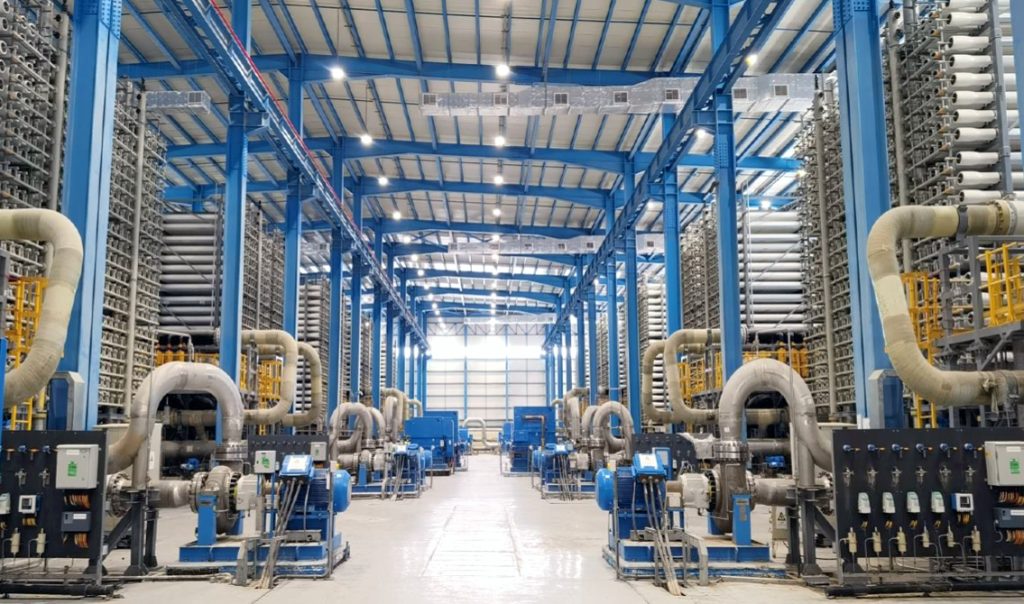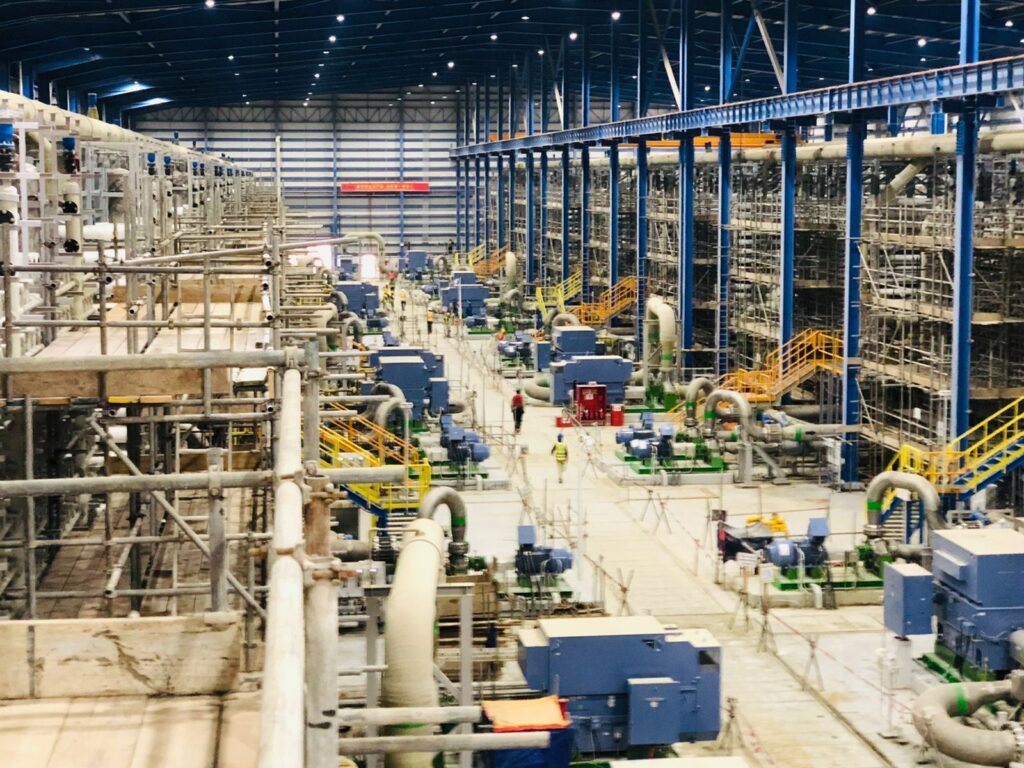
- Cox will build the first phase of the desalination plant, which will have a capacity of 2,200 litres per second, enabling the incorporation of approximately 190 million litres of drinking water per day into the regional water supply system.
- The plant will reach a final capacity of 4,400 litres per second, supplying more than 380,000 m³ of drinking water per day to nearly two million residents in Tijuana and Playas de Rosarito.
- It will be the largest desalination plant in Latin America for human consumption, adding to Cox’s track record of developing desalination plants in 16 countries with a combined desalinated water production capacity of more than 4.4 million m³/day. These include Taweelah, the world’s largest reverse osmosis desalination plant.
- The project, promoted by Conagua, forms part of the priority actions under Mexico’s National Water Plan.
Madrid, August 18, 2026. Cox, an international group specialising in critical water and energy infrastructure, has been awarded, through a public tender process, the construction of the Rosarito desalination plant in Baja California, Mexico. The project, promoted by the National Water Commission (Conagua), represents an investment of US$304 million and will help strengthen water security in the region, benefiting one million people during its first phase.
The desalination plant is one of the priority initiatives under Mexico’s National Water Plan and will address the water supply needs of Playas de Rosarito and the south-western area of Tijuana.
“This project reaffirms our commitment to Mexico following the acquisition of Iberdrola Mexico. Through this award, we are bringing our expertise in the water sector to a country where we continue to support the development of infrastructure that contributes to people’s well-being and to the country’s sustainable growth. We are proud to collaborate with federal and state authorities on an initiative aligned with the objectives of the National Water Plan and one that will help strengthen the region’s resilience to the challenges associated with climate change,” said Enrique Riquelme, Executive Chairman of Cox.
The first phase of the project includes the construction of a desalination plant with the capacity to treat 2,200 litres per second, enabling the incorporation of approximately 190 million litres of drinking water per day into the regional water supply system. Construction is expected to be completed within three years.
Cox will be responsible for the engineering, procurement of specialised equipment and construction of the infrastructure, which will provide a complementary and independent water source from the Colorado River, strengthening water resource availability in Baja California. The desalination plant will have a final production capacity of 4,400 litres per second, equivalent to more than 380,000 m³ of drinking water per day, making it the largest facility of its kind in Latin America.
The plant will use reverse osmosis technology, an advanced treatment system that employs semi-permeable membranes to remove salts, minerals and impurities from seawater and convert it into drinking water. This technology is recognised for its high operational efficiency, the quality of the water produced and its lower energy intensity compared with other desalination solutions.
Cox, an international leader in desalination and water treatment, operates desalination plants across 16 countries with a combined desalinated water production capacity exceeding 4.4 million m³ per day. This latest milestone follows the company’s construction of Taweelah in the United Arab Emirates, the world’s largest reverse osmosis desalination plant, with a capacity of 909,000 m³ per day. Cox has also developed Agadir in Morocco, Africa’s largest desalination plant serving both irrigation and human consumption, with a capacity of 400,000 m³ per day, as well as the first desalination plant in West Africa, located in Accra, Ghana, with a production capacity of 60,000 m³ per day.